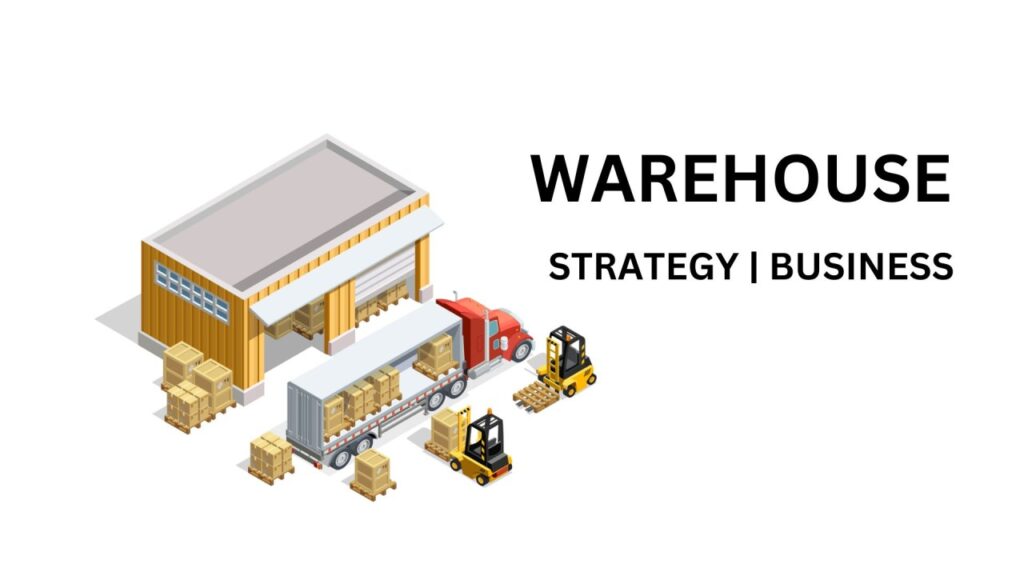
“A well-crafted place where large quantities of goods are stored before being sent to shops”. Logistics is not just the practice of getting goods and materials from one point to another. It’s about finding the most efficient ways possible with at least resistance as possible. Warehouse Optimization Tips Benchmarking Planning & Scheduling Workforce Management Labor Retention Materials Handling Transportation Management Inventory Management Facility Maintenance Security Technology Environmental Sustainability Outsource Use Sales Forecasts Manage warehouse inventory more effectively. As distribution centers become more congested, managing warehouse inventory becomes more critical. Companies must identify excess inventory and aged inventory, and its impact on space. While warehouse operations may have no input as to writing off this inventory, it can certainly manage where the inventory resides. From a warehouse strategy perspective, the operations must be proactive in managing this aspect of inventory. Optimize stock replenishments. Successful warehouse operations tend to prioritize optimizing picking, packing and shipping – but you can’t ignore optimizing replenishments. Stock-outs in the pick location drive-up order picking costs, and risk not getting all the customer demand shipped. Not having at least 2 to 3 days of stock in the pick location can unnecessarily drive-up labour for replenishments. This can also create issues such as pulling less than case quantities to restock a location. Use your WMS to optimize the pulling of inventory for replenishments to minimize excessive travel when performing these tasks. Only an emergency replenishment should be done during picking hours to minimize problems. Properly staff your inventory control department so that someone is accountable for reviewing the stock on hand in a location. Identifying locations that cause excessive replenishments reduces the number of downstream problems. Build a Current Picture of Your Warehouse Operations Track all the equipment in your warehouse by writing down processes and staff responsibilities for each section. Evaluate what is happening in the warehouse against procedures you would like to be followed, looking for discrepancies between the two. Determine current inventory requirements and the usage of storage. Customer returns efficiently. Best practice is for customer returns to be processed within 24 to 36 hours from the time of receipt. For those companies that experience a significant volume of returns during peak, consider a two-step process. The first step is supporting the customer refund or exchange. And the second step being the inventory processing and put away. This will allow you to manage the customers’ expectations more effectively. A good strategy for your warehouse operations improves customer service. Think about all the areas involved in warehouse operations. There is receiving, storing, fulfilment, shipping, packing, organizing, kitting, assembly, inventorying… the list goes on!